

I just registered for graduate classes for this fall.
The last time I registered for classes, I was pregnant with my second child, who turns 30 this year. That last year in school, I was a straight A- student, because I finally learned how to study effectively for the way my brain works.
Or maybe I was just smarter when I was pregnant. Who knows. I guess I’m about to find out.
This time, the whole world of education is different. My new university offers most of my required classes online, with occasional in-person meetings. That would have worked so much better when I was a young mom, but this time, I was hoping for late-night study sessions and long after-class lunches discussing coursework.
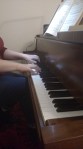
This latest new bend in the road is a result of the teaching job I fell into during Covid lockdown, when Portland Parks and Recreation asked if I’d like to try teaching virtual piano classes to people 60 and over.
“Sure,” I said, thinking it would be one way to distract myself for a few months while the world stayed indoors.
Three years later, I’m into it, teaching a handful of virtual classes and two bigger handfuls of in-person classes. This term, I teach 11 classes, nine of them rolling lock, stock and barrel from one term to the next. Through this accidental job assignment, I discovered the joy of teaching adults. Every one of my students *wants* to learn. They bring themselves to classes every week, they practice, take notes, and ask questions.
Not one of them has farted during class.
Or if they did, they’re so far away from me that I didn’t notice. Either way, it’s a huge upside.
My graduate work will focus on adult learning, specifically how to encourage and help adults work with the brains we have, not the ones we used to have when we were seven. Raising a child with a physical disability gave me a window into individual needs in education and beyond; living with someone with autism expanded my understanding of how people think and learn and view the world. This feels like the next level in my personal education.
There’s such an emotional component to trying to learn something when you’re an adult, a discouragement that rises up and blocks people from continuing their studies. I want to learn how to help people overcome that.
Studying a musical instrument has long been known to improve cognitive function in all ages, but specifically in adults, the study of music actively increases the amount of neurons, synapses and myelin in the brain.* These increases help people function in all areas of life, not just listening to and playing music. What a dynamic starting point for adults! What hope that gives all of us, even those not actively facing cognitive decline. And how relatively simple an activity to engage in for tremendous benefit.
I’m looking forward to being a student again. Since moving to Portland, I’ve attended lectures, taken classes through Portland Underground Graduate School, and participated in reading, writing and literature symposiums, but this will be my first time back as a Real Student.
For a long time, I thought my next education adventure would be going to law school, like my aunt did when she was 60 after raising four boys. Law school has beckoned since that very same last year in college, when I took notes for learning disabled students in Constitutional Law and fell head over heels for case law, legal briefs and the use of language to shape our society. Raising a child with a disability put me squarely in the framework of understanding and communicating in legal terms, so law school looked like an inevitability.

But this is different. This is thrilling in a way I haven’t felt for years. Not just the possibility of finding a quiet corner of campus in which to study, or the smell of all those books in the university library, or the excitement of talking to other people with similar interests and nice, juicy vocabularies. This feels like a vein of gold winking at me in a cave, all that information waiting to be mined and polished and formed into something useful.
There will be difficult classes. Times I question my sanity for embarking on this endeavor. Moments when I think I should just quit.
But that happened when I was an undergrad too. In fact, my academic advisor in liberal arts told me at one point that I should “just quit,” that I was never going to catch up from the academic deficit I’d incurred by having a baby. I didn’t quit then, and now I know myself so much better. I know how to solve problems and not panic when obstacles arise.
Aside from the schoolwork, this course of study promises new avenues of understanding myself, and maybe that’s the most exciting part of all.
*I learned this bit of information from Every Brain Needs Music presented by Science on Tap. Look for the book by the same name, written by Larry Sherman and Dennis Plies here.








 Meg Currell
If you like what you see...